
Impact drivers are a game-changer for driving screws, offering incredible speed and torque for heavy-duty applications. But with great power comes great responsibility. If not used correctly, an impact driver can over-torque or over-drive screws, causing damage to your materials, weakening connections, or even breaking the screws themselves.
Here’s everything you need to know about using impact drivers responsibly to avoid costly mistakes and ensure your construction project stays on track.

Impact Driver vs. Drill: What’s the Difference?
Both tools drive screws, but they’re designed for different work. Drills have an adjustable clutch that disengages when resistance reaches a set torque level. The clutch gives you precise control over how deep a screw sits.
Impact drivers don’t have a clutch. They deliver far more torque (rotational force) and keep delivering it until you release the trigger, making them ideal for heavy-duty fastening but harder to control.
What Is an Impact Driver Used For?
Impact drivers are designed to deliver bursts of rotational force, making them ideal for driving screws into tough materials like hardwood, treated lumber, or metal. Compared to drills, they work faster, reduce user fatigue, and are particularly effective for long screws or lag bolts.
How Does an Impact Driver Work?
Inside impact drivers, there is a spring-loaded hammer-and-anvil mechanism. When the motor spins and meets resistance, the hammer disengages, rotates, and then slams into the anvil in rapid bursts.
The impacts generate far more torque than the motor could produce unaided, which is what makes the impact drivers so effective for driving screws and bolts into dense material. But all that force can work against you if it isn’t controlled.
The Risks of Using Impact Drivers Improperly
The high torque comes with a downside when using an impact driver for screws: without careful use, it’s easy to overdo it.
Over-Torqueing Screws
Impact drivers can deliver far more torque than many screws require. This can lead to:
- Stripped Threads: Both the screw and the material can lose their threads, making the connection loose or unusable.
- Broken Screws: Excessive torque can snap screws, especially smaller or hardened steel ones.
- Material Damage: Over-torqueing can compress or distort softer materials like wood or plastic, compromising the connection.
Over-Driving Screws
Over-driving happens when a screw is driven too deeply into the material, often beyond its intended depth.
- Splitting Wood: Driving a screw too far can split wood, especially at edges or in thinner sections.
- Cracking Drywall: In drywall applications, over-driving weakens the material and may leave visible damage.
- Reducing Holding Power: A screw seated too deeply may lose its grip, reducing the strength of the connection.
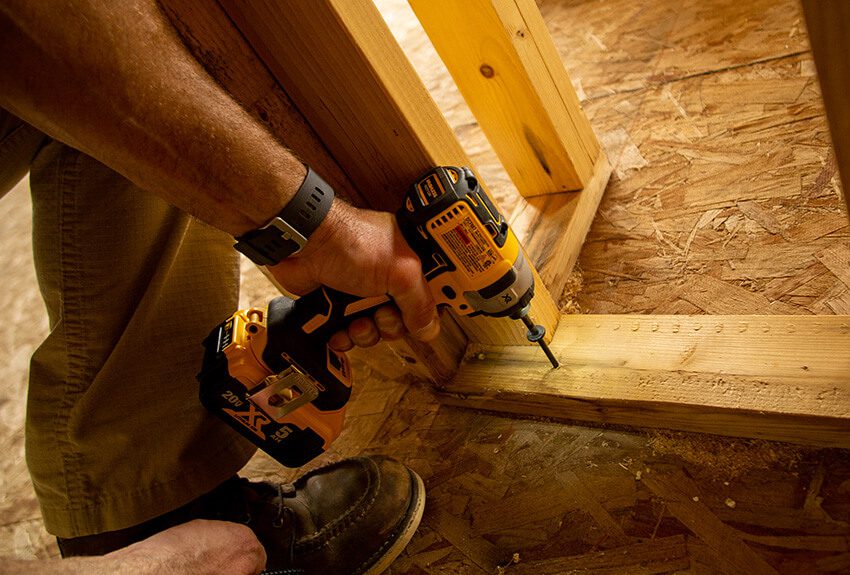
Tips for Using an Impact Driver Safely
To avoid over-torqueing or over-driving screws, follow these guidelines:
Use a Clutch or Torque Control
Some impact drivers come with adjustable torque settings or assist modes to limit the amount of force applied. If your tool doesn’t have this feature, consider switching to a drill with a clutch for more delicate tasks.
Monitor the Process
Pay close attention while driving screws. Stop as soon as the screw is flush with the surface or reaches the desired depth. Avoid letting the tool run longer than necessary.
Choose the Right Fastener
Select screws designed for your application. For example:
- Big Timber BTX Screws: Perfect for wood applications with reduced risk of splitting.
- Big Timber DWC Drywall Screws: Designed for securing drywall without over-driving.
Pre-Drill Holes When Necessary
Pre-drilling a pilot hole reduces resistance in harder materials, making it easier to achieve proper depth without over-driving.
Feather the Trigger
Your trigger finger is the best tool for controlling torque. Use short, controlled bursts rather than squeezing the trigger all the way. Start slowly and release as soon as the screw is flush with the surface.
Practice Precision
Practice driving screws into scrap material to get a feel for the amount of pressure and time needed for your specific project.
Use the Right Tool for the Job
While impact drivers excel in heavy-duty tasks, a drill with torque control may be better for precise or delicate work, such as installing trim or working with soft materials.
When Not to Use an Impact Driver
An impact driver may not be the best choice for every job. Consider using a drill or another tool in these scenarios:
- Light-Duty Tasks: Small screws or materials that don’t require high torque.
- Precision Work: Applications like cabinetry, trim, or furniture assembly where depth and appearance are critical.
- Soft Materials: Materials like drywall or softwood that can easily crack or split.
Building with Confidence
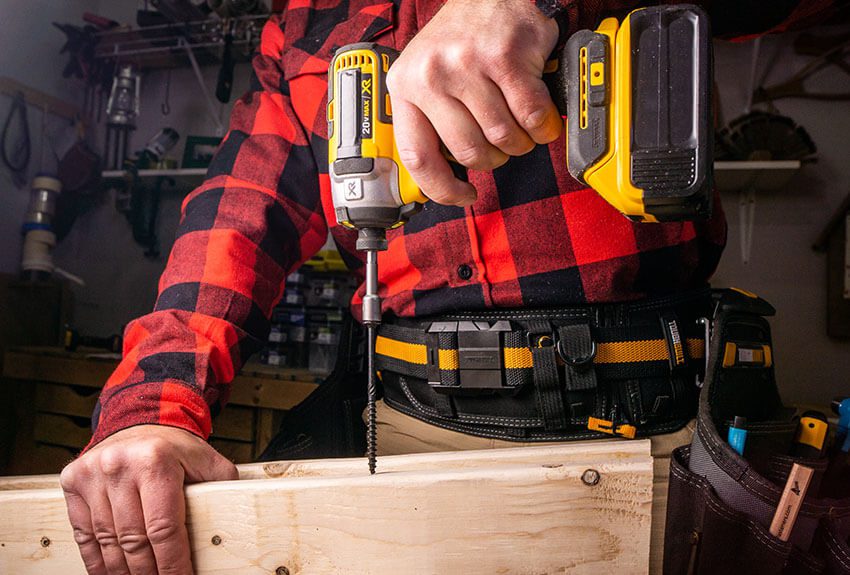
When used properly, an impact driver is a valuable tool for construction and DIY projects. By understanding its power and applying these best practices, you can avoid over-torqueing or over-driving screws and achieve professional, secure results.
At Big Timber Fasteners, we design our screws to pair seamlessly with impact drivers, offering strength, reliability, and ease of use. Visit your local retailer or explore our Fastener Finder Tool at www.marmonfasteners.com to find the perfect screws for your next project.
With the right tools, fasteners, and techniques, you can build with confidence!